

Blog > Mastering bankroll management strategies for success at the casino
Mastering bankroll management strategies for success at the casino
Bankroll management is a crucial aspect of gambling that can significantly impact your overall success at the casino. It refers to the effective allocation and management of your gaming funds. By setting clear boundaries for how much you’re willing to risk, you ensure that your gaming experience remains enjoyable rather than stressful. This discipline allows players to engage in gambling activities without the fear of losing more than they can afford, and it’s important to refer to resources like https://lincoln-casino.co.uk/withdrawal/ to help navigate the process effectively.
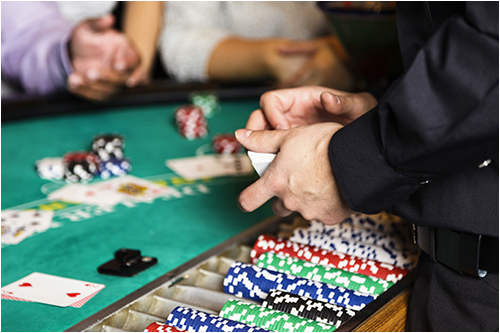
Establishing a dedicated bankroll helps players distinguish between money they can gamble with and their everyday expenses. This separation is vital, as it reduces the risk of gambling becoming a harmful addiction. Many players overlook this important principle and dive straight into gambling without a financial plan, often leading to hasty decisions and losses that could have been avoided. Awareness of your budget prevents emotional betting, which often leads to more significant losses.
Moreover, effective bankroll management fosters a more strategic approach to gambling. It encourages players to think critically about their betting strategies and to consider the long-term implications of their actions. By managing their funds wisely, players can extend their gaming sessions, enabling more opportunities for winning. This combination of enjoyment and strategy is essential in creating a sustainable gambling experience.
Establishing a realistic budget is the first step in mastering bankroll management. Players should assess their financial situation and determine how much money they can comfortably set aside for gambling. This budget should reflect not only what players hope to win but also account for potential losses. A common mistake is underestimating losses and overestimating wins, leading to unfavorable financial outcomes.
Once a budget has been set, it is vital to stick to it. This discipline is essential for preventing overspending, which can lead to financial hardship. Players might find it helpful to use a tracking method, whether it be a simple spreadsheet or a dedicated app, to monitor their gambling expenditures. By tracking their spending, they can see how much they are gambling over time and adjust their budget accordingly.
Setting a budget also involves making decisions about how much to wager on individual bets. A common guideline is to only gamble a small percentage of your total bankroll on a single bet, often between 1% to 5%. This ensures that even in the event of several losses, you can continue playing without depleting your bankroll entirely. This strategic approach not only protects your funds but also enhances the overall experience at the casino.
Responsible betting strategies are vital for maintaining a healthy relationship with gambling. Players should adopt the principle of betting only what they can afford to lose, a mindset that promotes a more relaxed and enjoyable gaming experience. It helps in reducing the emotional stress often associated with gambling and encourages a focus on entertainment rather than solely on winning.
One effective strategy is the “stop-loss” method. This approach entails setting a predetermined limit on losses before leaving the table or the gaming machine. For example, if a player decides to stop once they lose a certain amount, they can prevent further losses and maintain a positive mindset. This practice is especially useful in high-stakes environments where the pressure to continue can be overwhelming.
Additionally, players can benefit from the “win limit” approach. By setting a target for winnings, they can cash out when they reach their goal rather than risking it all. This creates a more disciplined environment and encourages players to celebrate their successes rather than chasing after unattainable dreams. Both stop-loss and win-limit strategies serve to instill a sense of control, which is integral to responsible gambling practices.
Recognizing the signs of gambling addiction is crucial for both players and their loved ones. Many individuals may not realize they are developing unhealthy gambling habits until it is too late. Some common signs include consistently increasing wagers, feeling anxious about finances, or using gambling as a way to escape from stress or personal problems. Understanding these signs can help intervene before the situation escalates.
Moreover, players should be aware of changes in their mood or behavior associated with gambling. If gambling becomes a source of stress rather than enjoyment, it may indicate a problem. A healthy approach to gambling involves maintaining a balance between gaming and other life activities, such as socializing, working, and pursuing hobbies. When these activities are neglected, it may suggest that gambling has taken precedence in one’s life.
Seeking help is a critical step for those who suspect they may be developing a gambling addiction. Various support groups and counseling services are available for individuals struggling with gambling-related issues. By addressing these concerns early, players can safeguard their mental and financial well-being, allowing them to return to a more balanced lifestyle and, ideally, a healthier relationship with gambling.

Many online resources are available to assist players in honing their bankroll management strategies. Casino websites often provide educational materials, tips, and tools to help gamblers make informed decisions. These resources can include financial calculators, budgeting guides, and advice from experienced gamblers. Utilizing these tools can empower players to take control of their gambling habits.
In addition, some casinos offer programs that help players set limits on their gaming activities. These programs might allow players to set deposit limits or session time limits, fostering a safer gambling environment. By taking advantage of such features, players can ensure they are practicing responsible gambling in a supportive atmosphere.
Furthermore, networking with other gamblers can provide insights into successful bankroll management practices. Online forums, social media groups, and local gaming clubs can serve as platforms for exchanging strategies and personal experiences. Engaging with a community of like-minded individuals can motivate players to adhere to their budget and develop healthier gambling habits.