

Blog > Unraveling the fascinating history of gambling through the ages
Unraveling the fascinating history of gambling through the ages
Gambling has roots that stretch back thousands of years, with evidence tracing its origins to ancient civilizations. Archaeological discoveries reveal that games of chance were played using rudimentary dice in Mesopotamia around 3000 BC. In ancient China, the practice of gambling began with the invention of games like Keno, which utilized a betting system that is still present in various forms today. These early instances illustrate that the allure of risking something of value for potential gain has been a part of human culture for millennia. Interestingly, the modern online platforms, such as Robocat, trace their lineage to this rich history.
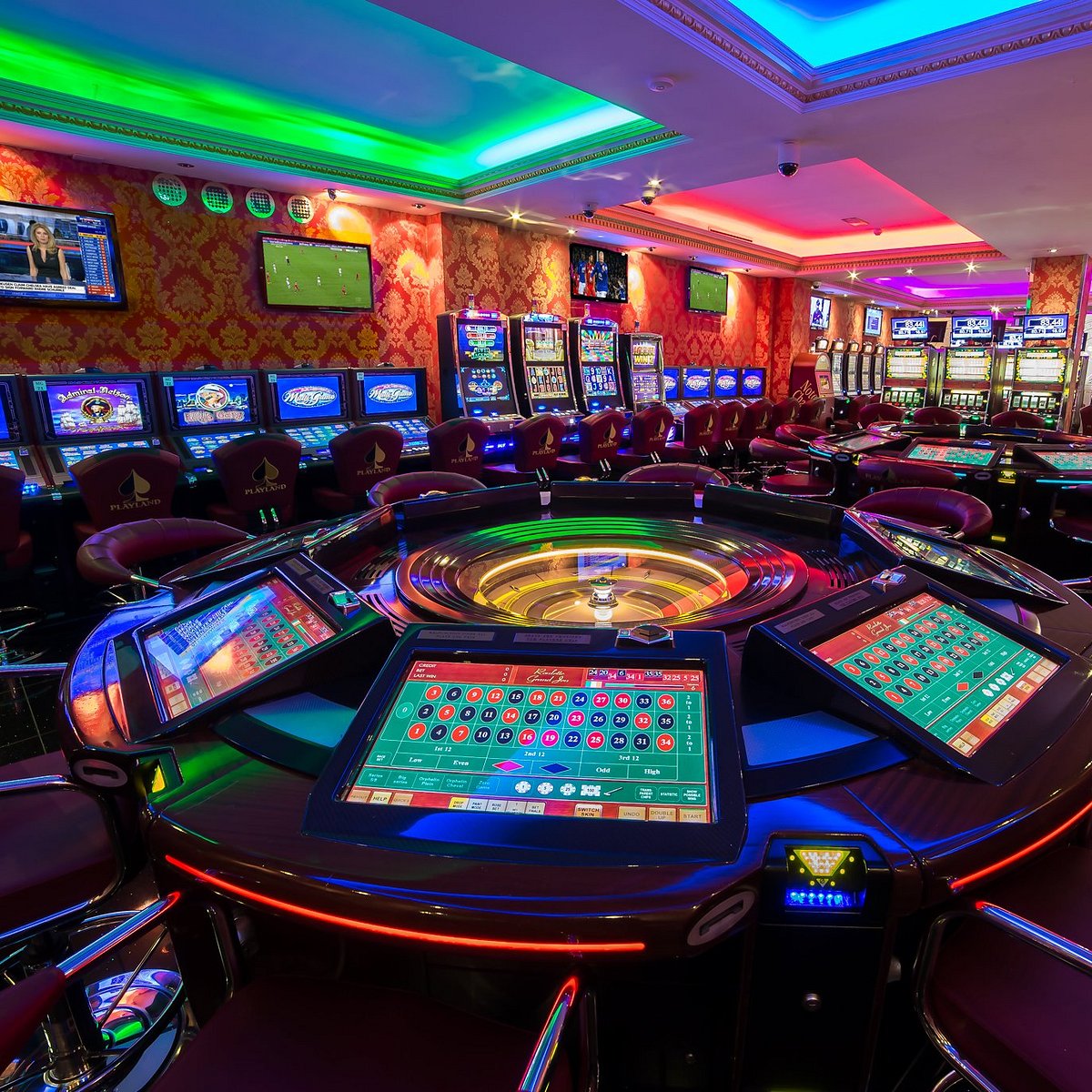
Additionally, ancient Romans embraced gambling, embedding it into their social fabric. The Romans played games involving dice and betting on the outcomes of various events, including gladiatorial contests. The laws surrounding gambling were quite liberal, indicating an acceptance of the practice in social gatherings. This cultural integration of gambling not only provided entertainment but also a means for social interaction, showcasing the timeless appeal of chance and competition.
As civilizations progressed, gambling evolved alongside them. The introduction of card games in the Middle Ages marked a significant shift. Originating in China and spreading through Europe, card games introduced new dynamics of strategy and chance. The development of these games allowed for more intricate methods of gambling, and with it, a deeper societal fascination with the unpredictability of luck versus skill in the art of wagering.
The 17th century witnessed a pivotal transformation in the gambling landscape with the establishment of formal gambling houses in Europe. The rise of casinos can be traced back to this period, providing a dedicated space for gaming and social interaction. The first recognized casino, the Casino di Venezia, opened its doors in 1638, setting a precedent for future establishments. These venues not only featured games of chance but also served as social hubs, merging leisure with the thrill of gambling.
The industrial revolution catalyzed a surge in gambling activities, particularly in the United Kingdom and the United States. With urbanization, the demand for entertainment surged, leading to the proliferation of racetracks and betting parlors. The introduction of sports betting became an integral part of this expansion, allowing individuals to wager on everything from horse racing to boxing matches. This period solidified the foundation of modern gambling as we know it today.
As technology advanced, so did the methods of gambling. The invention of the internet in the late 20th century ushered in the era of online gambling, forever changing the industry. Virtual casinos began emerging, allowing players to engage in their favorite games from the comfort of their homes. This digital transformation expanded the reach of gambling, making it accessible to a broader audience and paving the way for innovative gaming experiences that continue to evolve.
Gambling has not only affected economies but has also woven itself into the cultural narratives of societies. Literature and art throughout history frequently reference gambling, symbolizing the human obsession with risk and reward. Shakespeare’s plays often highlight themes of chance and fortune, illustrating how deeply embedded the concept of gambling is in human psychology. Such cultural references perpetuate the notion of gambling as a metaphor for life’s uncertainties.
Moreover, gambling has influenced various societal norms and practices. In many cultures, games of chance have served as a rite of passage, facilitating bonding and communal experiences. Traditional games, such as Sic Bo in Asia or Lotería in Latin America, carry historical significance, reflecting societal values and collective memories. These games often bridge generations, linking families and communities through shared experiences around gambling.
The integration of gambling into popular culture extends to films and music, where it often symbolizes risk-taking and the pursuit of freedom. Movies like “Casino Royale” and “Rounders” portray not only the glamor of gambling but also its inherent risks, showcasing the duality of excitement and peril. This cultural portrayal reinforces gambling as a key element in the human experience, representing both the highs and lows of chance and fortune.
The evolution of gambling has necessitated ongoing discussions surrounding regulation and ethical considerations. As gambling became more widespread, issues such as addiction and financial distress emerged, prompting the need for responsible gaming measures. Governments around the world began implementing regulations to protect players, establish fair practices, and promote responsible gambling. These measures aim to strike a balance between individual freedom and the potential societal impacts of gambling.
Various jurisdictions have adopted different approaches to gambling legislation, reflecting cultural attitudes toward the practice. While some regions embrace a liberal stance, allowing for widespread gambling operations, others impose strict regulations or outright bans. The debate surrounding the moral implications of gambling continues, as advocates highlight potential economic benefits while opponents raise concerns about social consequences, emphasizing the need for an informed and balanced approach to gambling legislation.
The increasing visibility of online gambling has sparked further discussions on ethical practices. Online platforms, such as virtual casinos, must navigate the complexities of user safety, data protection, and fair play. Industry leaders are now prioritizing transparency and responsible gaming initiatives, ensuring that players have access to resources and support. This evolving landscape of regulation reflects society’s growing awareness of the importance of ethical considerations in the gambling sector.

In the contemporary era, online casinos have revolutionized the gambling experience, providing players with unprecedented access to a vast array of games. RoboCat Australia stands out as a premier online casino destination, offering over 13,000 games ranging from popular slots to engaging live dealer tables. This extensive library caters to diverse player preferences, ensuring that everyone finds something to enjoy. The virtual gaming environment not only enhances accessibility but also incorporates advanced technology for an immersive experience.
RoboCat Australia is committed to providing an attractive user experience, with a generous welcome bonus of up to A$5,500 and 150 free spins for new players. These incentives enhance the excitement of exploring the platform while encouraging responsible gaming practices. Additionally, secure and swift transactions in Australian dollars offer peace of mind for players, ensuring a seamless gaming experience tailored to local preferences.
As a fully optimized platform, RoboCat Australia emphasizes customer support with 24/7 live assistance, ensuring that players have access to help whenever needed. The commitment to responsible gaming further illustrates the platform’s dedication to providing a safe environment for all users. By blending innovation, user-friendly design, and a vast selection of games, RoboCat Australia exemplifies the evolution of gambling in the digital age, making it a top choice for enthusiasts seeking a comprehensive online casino experience.